
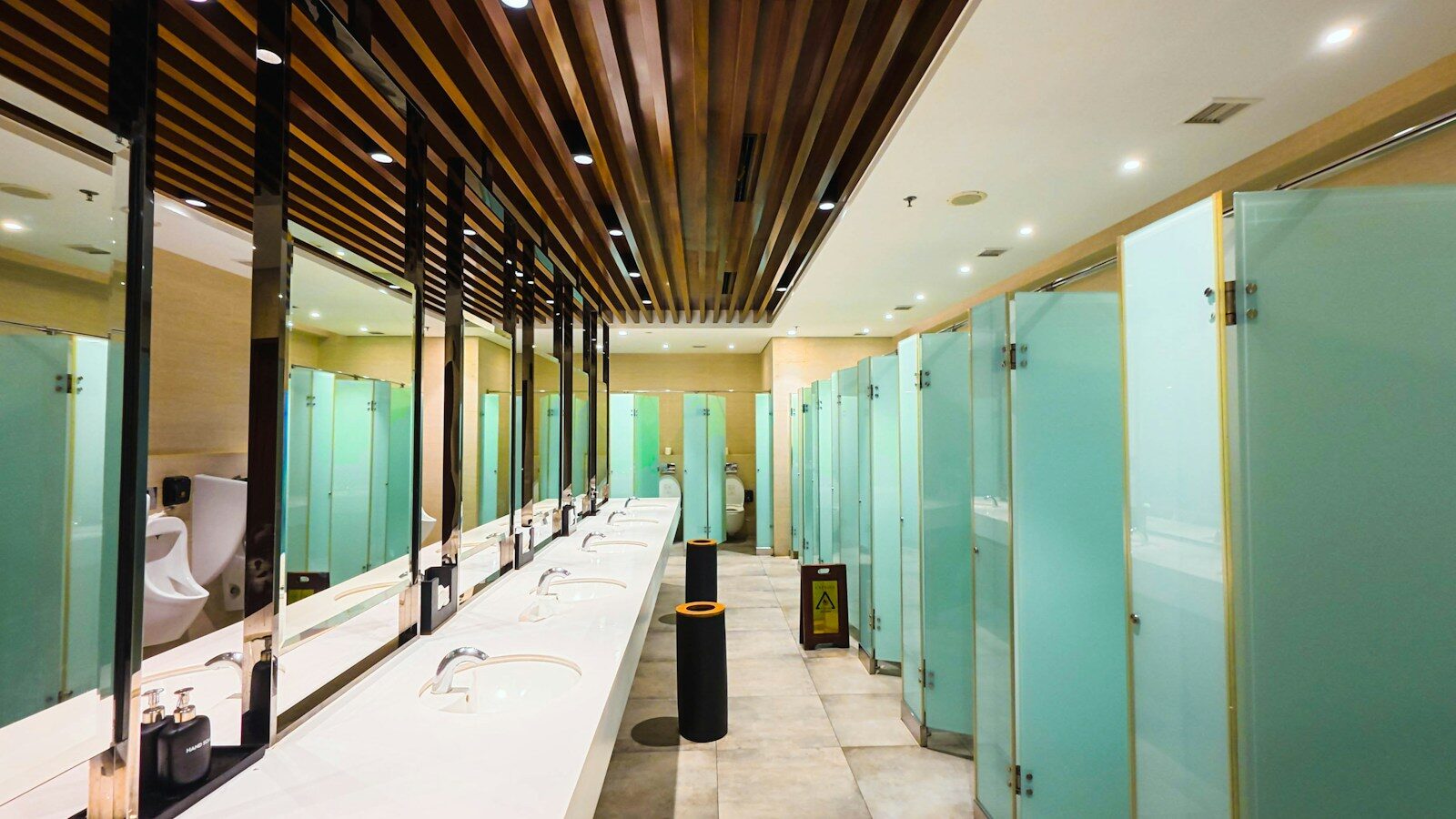
You can tell a lot about a school by the places no prospectus ever photographs. Corridors matter, of course, and so do libraries and playing fields. But the loos tell a different story. This is where routine, privacy and basic comfort either function quietly or start to fail. For pupils, especially younger ones, these spaces shape the school day more than adults sometimes admit.
A grim or badly maintained washroom does not just feel unpleasant; it changes behaviour. Children rush in and out, skip washing their hands properly, or avoid using the facilities altogether. Teachers and site staff know that practical details that seem small can have large consequences, from hygiene habits to lateness after break. In that sense, washrooms are not really about fixtures and fittings. They show whether a school is cared for and run properly.
That is why these dull bits of infrastructure deserve more attention. The choice between paper towels, bins that overflow by lunchtime, and school hand dryers is not just a budget line. It affects noise, queues, cleaning time, and how easily hundreds of pupils can move through a shared space without chaos. Nobody chooses a school because of the drying method in the toilets, but everyone notices when it stops working.
The unglamorous details that matter
- Reliable soap and drying cut friction in the school day.
- Cleaner washrooms are easier for pupils to respect.
- Thoughtful design helps schools manage hygiene, cost, and maintenance.
There is also a wider point about standards. Public conversation about education often jumps to curriculum reform or exam stress, while overlooking the buildings where children spend most of their week. A well-run school depends on thousands of ordinary decisions. Warm classrooms, doors that close properly, taps that work, and a washroom that does not feel neglected all send the same message: this place expects people to look after themselves and each other.
Photo by Aryasatya Rafa Prayitno.